Women’s health is undergoing a fundamental shift. Once largely defined by reproductive care, fertility, and menopause, the category is expanding to encompass conditions that disproportionately affect women, from cardiovascular disease and chronic pain to neurological disorders and autoimmune conditions. Yet despite growing awareness, significant gaps remain in research, investment, and access to care.
At LSI USA ‘26, industry leaders gathered for a panel titled “The Future of Women’s Health in 2026 and Beyond” to explore what’s driving this evolution, the challenges facing innovators, and what it will take to unlock the market’s potential.
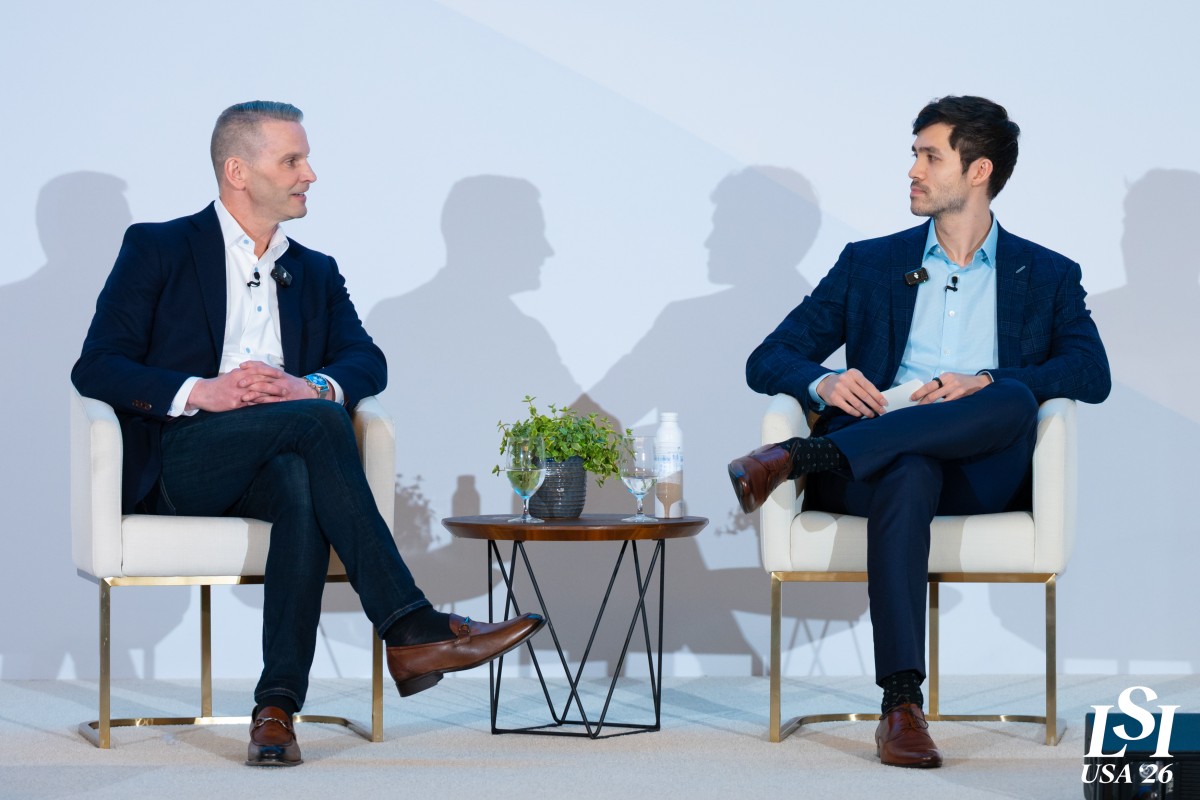
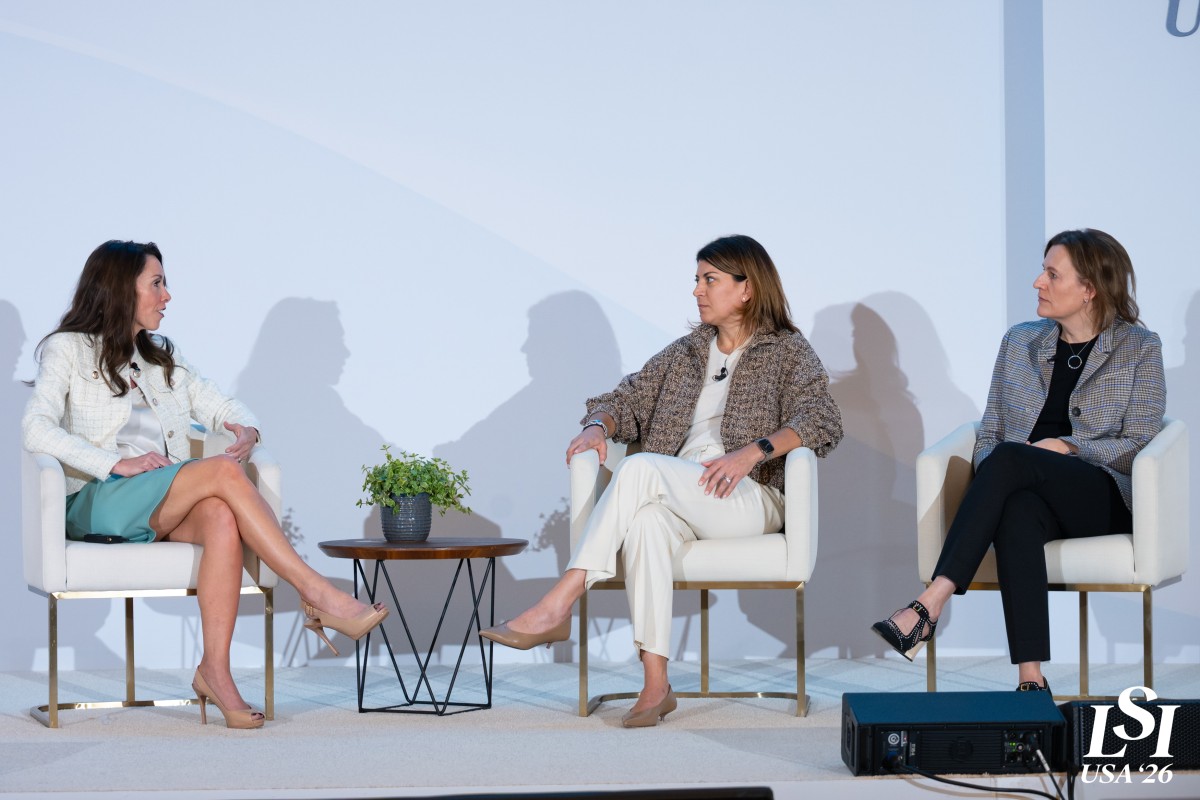
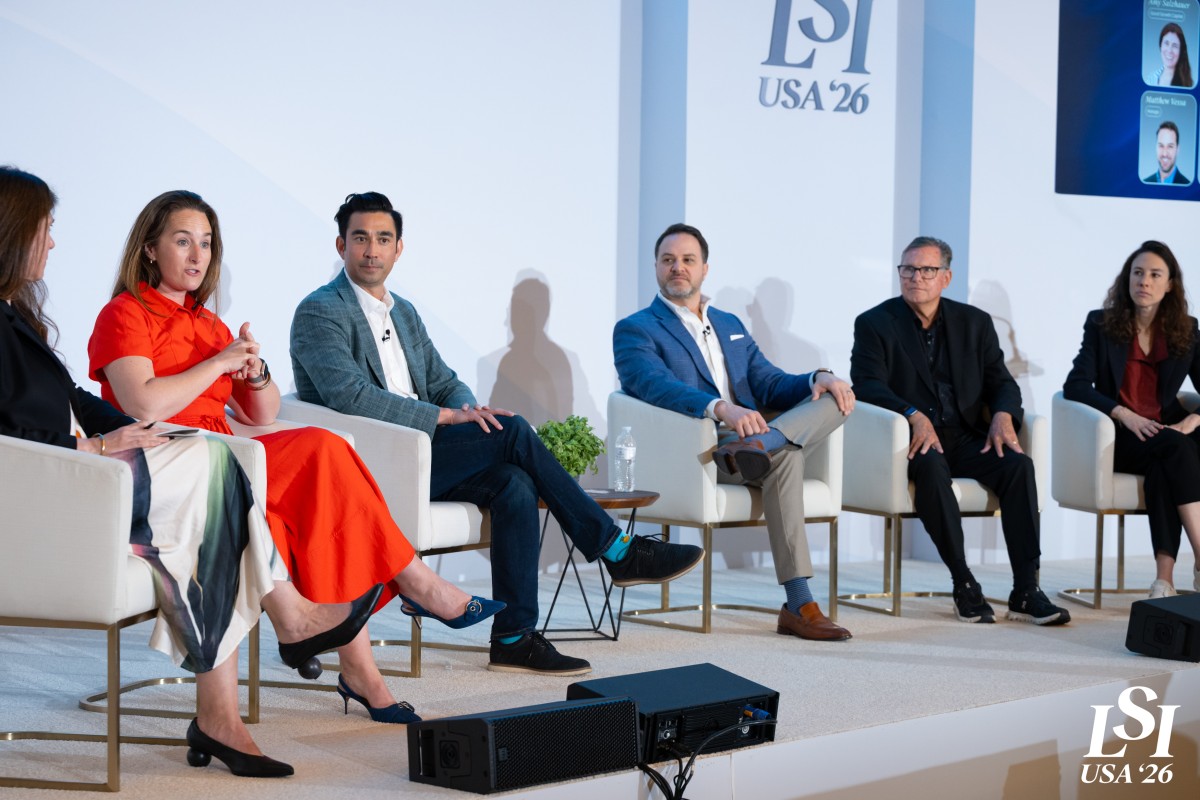
Moderated by Amy Salzhauer of Good Growth Capital, the discussion featured Kara Egan of Teal Health, Eric Dy of Bloomlife, Matthew Vessa of Hologic, Thomas Nichols of Pretika MedTech, and Gal Noyman of LionBird. Together, they examined how the future of women’s health is being shaped by new technologies, changing investment strategies, and a broader understanding of women’s healthcare needs.
Redefining the Women’s Health Market
One of the panel’s central themes was the need to move beyond traditional definitions of women’s health.
“I think you framed it up the right way, Amy, which is that diseases are more than just the organs that inherently designate a woman versus a man. It’s how women are differentially exposed [to] or affected by those diseases,” said Vessa.
For Hologic, this broader perspective creates opportunities to leverage established screening infrastructure to identify additional health risks. Vessa pointed to mammography as a potential intersection with other conditions, including cardiovascular disease.
Noyman similarly emphasized the importance of recognizing female-dominated chronic conditions as part of the category, particularly as advances in precision medicine, artificial intelligence, and data collection create new opportunities.
“If we want to solve this massive problem that is [a] cost driver in pain, in cardio, in autoimmune, in neuro, in dementia, focus on women’s health. That’s where the data is, and that’s where the money is,” Noyman said.
The opportunity extends well beyond developing technologies for conditions exclusive to women. It also involves understanding how existing diseases manifest differently across populations and building solutions that reflect those differences.
Funding and Commercialization: Finding a Sustainable Path
Despite the market’s potential, securing investment remains a significant hurdle.
Egan, who previously worked as a healthtech investor, argued that investors sometimes underestimate women’s health opportunities because they lack firsthand experience with the problems being addressed.
“I think the biggest problem is sometimes people don’t think about it in terms of market size the way that they should when really it’s here,” Egan said.
Salzhauer echoed those concerns, describing companies that struggle to secure lead investors despite promising technologies and business models.
Beyond funding, the panel explored how women’s health companies are navigating direct-to-consumer, business-to-business, and hybrid commercialization strategies.
Egan cautioned that consumer willingness to pay does not necessarily translate into payor reimbursement.
“You really have to build your business knowing the end payment, even if it’s not your starting payment,” she said.
Dy shared Bloomlife’s experience transitioning from a direct-to-consumer model to partnerships with health systems and provider organizations. While the former allowed for rapid experimentation, the latter offered recurring revenue opportunities and access to existing reimbursement pathways.
“I think there’s no one right path. I think it’s just whatever the landscape is for you that you have to decide what to do,” Dy said.
Vessa reinforced the importance of aligning innovation with existing healthcare infrastructure, emphasizing that founders must demonstrate how their technologies fit established or emerging investment and reimbursement models.
The Data Gap Holding Innovation Back
Another recurring concern was the historical lack of research and clinical data specific to women.
Noyman identified insufficient data on treatments developed decades ago as a major obstacle, while Egan highlighted the need for longitudinal hormonal data to better understand women’s health throughout their lives.
Dy pointed to preterm birth as an example of how inadequate research can undermine the development of effective interventions. Without sufficient data to distinguish patient populations and underlying risk factors, potentially beneficial treatments may fail to demonstrate effectiveness in broader clinical studies.
“I think the implications of a lack of funding, a lack of data, and the impact on what it means in terms of commercially viable products, like that’s a very clear through line,” Dy said.
Salzhauer noted that these gaps also create challenges for investors. Without established clinical endpoints or sufficient foundational research, companies may face development timelines that exceed traditional venture capital investment horizons.
For Nichols, another opportunity lies in shifting healthcare from reactive treatment toward proactive monitoring.
“And we have to bring the clinicians into the conversation. Because now we are in an environment where they can now be proactive instead of being reactive. And that is a game changer within women’s health,” Nichols said.
Across the discussion, the message was consistent: Better data is essential not only for improving clinical outcomes but also for demonstrating value to providers, payors, and investors.
The Future of Women’s Health: Building on Growing Momentum
Looking ahead, panelists expressed optimism about the category’s trajectory, even as funding and research challenges persist.
Egan highlighted collaboration among women’s health companies as a particularly encouraging development. She described how Teal Health partnered with dozens of companies during Cervical Cancer Awareness Month to promote screening options, regardless of whether patients chose at-home or in-office care.
“I think we can be our own channel that helps the customer acquisition for other people, that helps awareness,” Egan said.
Dy pointed to the proliferation of women’s health conferences, increasing investor interest, and the growing number of entrepreneurs entering the space as signs of a maturing ecosystem.
“I think we’re probably still in the early, mid-early innings of the whole space,” he said.
Vessa also emphasized the importance of growing patient demand, with more women actively seeking information and advocating for access to new healthcare solutions.
For Noyman, the influx of entrepreneurial talent offers another reason for optimism.
“The thing that excites us the most is the talent that is building in the space,” she said.
Ultimately, the panel made clear that the future of women’s health will depend on more than technological innovation alone. Expanding the category’s definition, addressing longstanding research gaps, developing sustainable commercialization models, and increasing collaboration will all be critical to its continued growth.
As women’s health becomes more deeply integrated into conversations around precision medicine, preventive care, and chronic disease management, the opportunity is no longer simply to serve an overlooked market. It is to fundamentally rethink how healthcare is developed, delivered, and financed for women.