
At LSI USA ’26, the panel “If You Don’t Create Your Brand, Your Market (or Competitors) Will” explored a critical but often underprioritized part of company building: medtech branding. For early-stage innovators, brand is not simply a logo, color palette, or polished pitch deck. It is the foundation for how a company defines its purpose, positions its technology, earns credibility, and creates consistency with customers, investors, employees, and strategic partners.
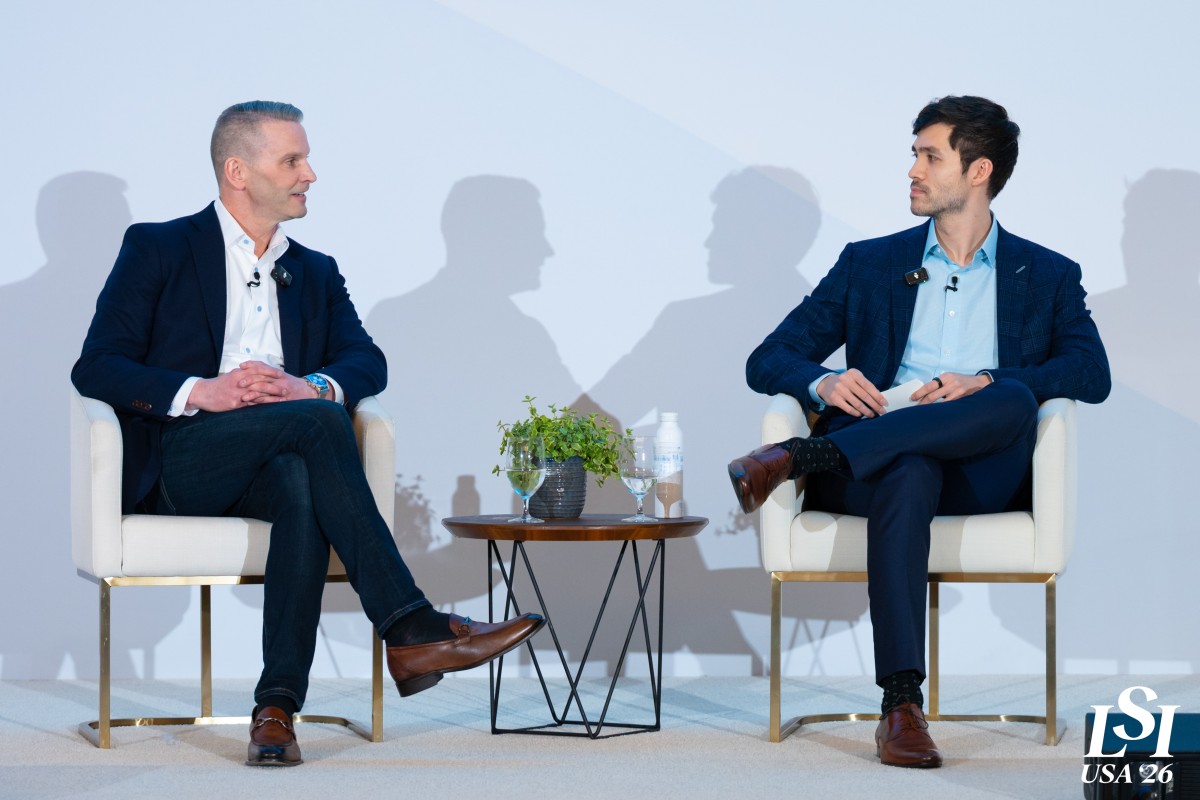
Moderated by Rachel Knutton, CEO of Alluvia Studio, the discussion featured Amanda DePalma, SVP of Ultrasound Global Marketing at Siemens Healthineers, and Terri Burke, Senior Partner at Intuitive Ventures. Together, they made a clear case for why brand development should begin long before a company is ready for commercial launch.
Brand Starts Before the Logo
For Burke, one of the most important misconceptions to correct is that brand begins with visual identity. “For me, a brand is a lot more than a logo or colors,” Burke said. “When I think about brand, I think about everything that comes before that. What problem are you solving? What’s your value proposition? How are you positioning yourself? What is unique?”
That work, she explained, determines whether a company is credible, relevant, and differentiated. The logo may eventually express the brand, but it does not create the substance behind it.
DePalma framed brand as a promise. “It’s the promise that you’re making to your customer,” she said. “Your customer experiences that brand both functionally and emotionally.”
In medtech, that promise extends across every interaction a customer has with the company. A website, a package, a sales conversation, a complaint process, and a clinical interaction all shape how the brand is perceived.
“In my opinion, every single interaction your customer has with you is an experience they’re having with your brand,” DePalma said. “That experience either builds their brand perception up with them or it tears it down.”
Medtech Branding Begins With the Define Phase
Knutton described Alluvia Studio’s brand process as “define, refine, shine,” with the most important work happening at the beginning. The define phase is where a company does the harder, less visible work of understanding who it is, who it serves, what it stands for, and why the market should care.
Burke said that for startups, this early definition is especially important because it directly affects how investors understand the company.
“For any startup, I think the define phase is the most important thing that you can do and spend time on because it’s who you are and what value you’re bringing and why an investor should care,” Burke said.
That does not mean a startup needs to have every answer from day one. Instead, Burke encouraged teams to test positioning, listen to customers, and refine the story as they learn.
“Try it out with some customers, talk to some physicians, and figure out, does it resonate or not resonate?” Burke said. “You may have to modify as you go.”
The key is making sure that claims, positioning, and evidence all connect. If a company says it will save time, reduce burden, or improve outcomes, it needs a plan to prove it.
Consistency Builds Trust
As companies grow, brand discipline becomes harder and more important. DePalma emphasized that messaging must be clear enough for everyone in the organization to carry it consistently.
“If you don’t do that early and you don’t make it easy for people to understand, I just think you’ll struggle,” DePalma said. “Your results will struggle with your customers because everyone will be confused.”
That consistency starts internally. DePalma pointed to Siemens Healthineers’ purpose, “We pioneer breakthroughs in healthcare for everyone, everywhere, sustainably,” as an example of a brand promise that is used across internal and external communications.
“When you find yourself in difficult situations, you can look back at that as a team and say, when we make this decision, are we living our values?” DePalma said.
For Knutton, values serve as a company’s north star. They help teams make decisions, attract the right employees and partners, and stay grounded when the business evolves.
“It seems sort of soft and fuzzy, but it will differentiate you,” Knutton said. “Knowing what you stand for and what motivates you does help you make decisions.”
Own the Position You Can Defend
One of the most practical lessons from the panel was the importance of choosing a position that the company can truly own. Burke shared an example from her time at Edwards, when the team was working on what became the Edwards Intuity valve. Competitors were describing similar products as “sutureless,” but the team realized that was not the right position for their product.
A cardiac surgeon clarified the real value. “He looked at me and said, ‘So what you’re telling me is it’s a rapid deployment valve,’” Burke recalled. “And I said, ‘You’re right. It is a rapid deployment valve.’”
That shift allowed the company to define a new category instead of explaining why it was different from existing competitors.
“Why are we trying to explain why we’re not like the competition?” Burke said. “Why don’t we just own something new and something different that we can leverage?”
The lesson for startups is clear: the strongest positioning often comes from understanding what the customer values most, not from leading with technical features alone.
Claims Need a Road Map
In medtech, brand and evidence are inseparable. DePalma stressed the importance of building a claims matrix early, long before launch.
“In medtech especially, you have to do it early, because for you to be able to say these things, you’ve got to have the evidence,” DePalma said. “You’ve got to define that early, lock it in, and make sure that everyone is working together to deliver it ultimately.”
Burke added that investors do not expect early-stage companies to have all the evidence immediately, but they do want to see that the team understands what it eventually needs to prove.
“If you’re earlier stage, I would love it if folks said, look, when we get to market, we want to be able to say these things about our product,” Burke said.
That road map shows strategic thinking. It also demonstrates that the company understands the relationship between product development, clinical evidence, regulatory strategy, and commercial positioning.
If You Do Not Define It, Someone Else Will
The panel’s title captured one of its strongest takeaways. Companies do not get to avoid being branded. They only get to decide whether they will define the brand themselves.
“If you don’t own it and if you don’t think about where you want to play in the space, what do you want to stand for, then someone’s going to figure it out for you,” DePalma said. “Your competitors are going to make up stories for you.”
Burke compared it to a job interview. A candidate can either actively communicate what matters or allow the interviewer to fill in the gaps. Startups face the same choice.
“Tell people what you want them to know,” Burke said. “Don’t wait for them to fill in the gaps, because they will.”
For medtech companies, strong branding is not decoration. It is how a company explains its purpose, sharpens its positioning, supports its claims, aligns its team, and builds trust with the market. The companies that do this work early are better prepared to show up with clarity at each stage of growth.
As the panel made clear, medtech branding is not about looking polished before the substance is there. It is about doing the foundational work so that when the company is ready to shine, the market already understands what it stands for.
-Joe-Mullings,-Andrew-ElBardissi,-Ramin-Mousavi,-Addie-Harris,-and-Josh-Makower.png)